



Gallbladder polyps are often discovered unexpectedly during an ultrasound or other imaging test. While many do not require immediate treatment, some may need regular monitoring or further assessment because certain features of the polyp can be associated with a higher risk of cancer.
Whether monitoring or surgery is considered depends on factors such as the polyp's size, appearance, changes over time and a person's individual risk factors. Understanding these considerations can help you better understand why your doctor may recommend monitoring, further assessment or treatment.
What Does It Mean If a Gallbladder Polyp Is Found?
A gallbladder polyp is a growth or raised area that projects from the inner lining of the gallbladder. Most are benign, so finding one does not necessarily mean that you have cancer or need surgery.
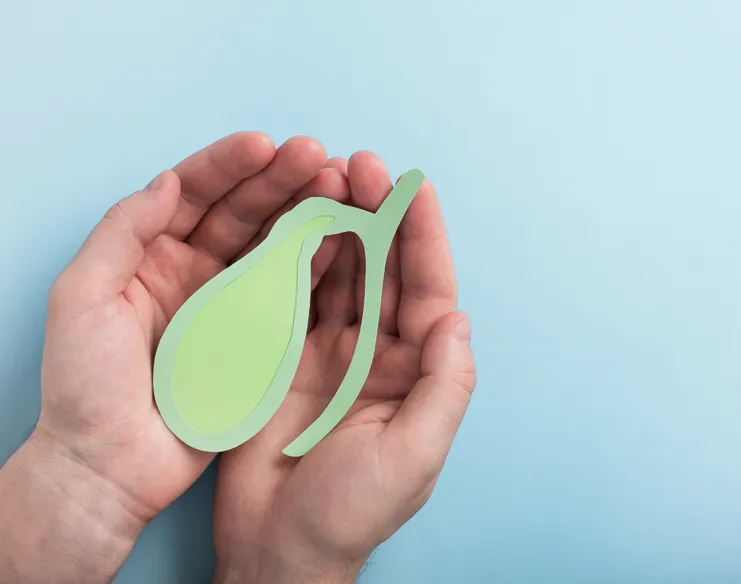
Gallbladder polyps are often discovered incidentally during an abdominal ultrasound performed for another reason and may not cause symptoms. Benign findings include cholesterol polyps, which are caused by cholesterol deposits, and adenomyomatosis, a thickening of the gallbladder wall.
However, some polyps are true tissue growths that may have the potential to become cancerous, which is why further assessment may be needed to determine the appropriate next steps.
How Are Gallbladder Polyps Assessed?
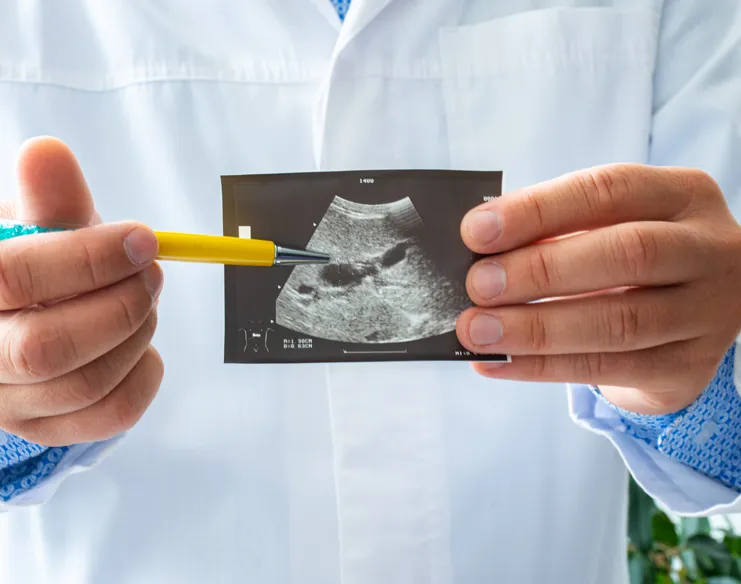
After a gallbladder polyp is detected, your doctor will assess its size, shape and appearance, including whether there are changes to the surrounding gallbladder wall. These findings can help determine whether the polyp requires monitoring, further investigation or treatment.
Your doctor may also consider your symptoms, medical history and other individual risk factors. If previous abdominal scans are available, they can be compared with your latest scan to check whether the polyp has changed over time.
When Are Gallbladder Polyps Monitored?
If a gallbladder polyp does not have features that warrant immediate treatment, your doctor may recommend monitoring it with follow-up ultrasound scans. This allows changes in its size and appearance to be assessed over time.
The frequency and duration of monitoring will depend on factors such as the polyp's characteristics and your individual risk profile. Some polyps may require periodic surveillance, while others may not need ongoing follow-up after assessment.
When Might Surgery Be Recommended?
Monitoring does not necessarily mean that a gallbladder polyp will eventually require surgery. However, if follow-up or the initial assessment identifies features associated with a higher risk of malignancy, your gallbladder surgeon may discuss whether surgery is appropriate.
Surgery may be recommended when:
When a Gallbladder Polyp Reaches a Certain Size
Polyp size is one of the main factors considered when deciding whether surgery may be appropriate. Larger polyps generally warrant closer assessment because the likelihood of a neoplastic polyp increases with size.
When a Gallbladder Polyp Grows During Follow-Up
Changes in a polyp's size can be identified by comparing ultrasound scans over time. If a polyp shows meaningful growth during follow-up, your doctor may reassess whether continued monitoring remains appropriate.
Small differences between ultrasound measurements do not always represent true growth. Previous scans and other imaging features may therefore be reviewed before a change in treatment is recommended.
When Imaging Shows Concerning Features
Certain ultrasound findings may prompt further assessment even if the polyp has not caused symptoms. These can include changes in the shape or appearance of the polyp or abnormalities involving the surrounding gallbladder wall.
Such findings do not necessarily indicate cancer. A gallbladder surgeon may review the imaging alongside other risk factors to determine whether further investigation, continued monitoring or surgery should be considered.
When Symptoms May Be Related to the Gallbladder
Some people with gallbladder polyps also experience symptoms such as upper abdominal discomfort, nausea or digestive symptoms. However, these symptoms can have many possible causes, and the presence of a polyp does not necessarily mean it is responsible.
Before surgery is considered for symptoms, your doctor may assess whether another gallbladder condition or gastrointestinal problem could provide a better explanation.
Discuss Gallbladder Polyp Management With Dr Wong Jen San
Knowing that you have gallbladder polyps can raise questions about what happens next, particularly whether they can be safely monitored or whether surgery may need to be considered.
At Hepatobiliary & Pancreatic Surgery Centre, care is led by Dr Wong Jen San, consultant hepatobiliary and pancreatic surgeon. Dr Wong takes a structured, patient-centred approach, reviewing each patient's clinical findings and discussing suitable management options based on their individual circumstances.
If gallbladder polyps have been identified on your ultrasound, book an appointment with us to understand whether monitoring or surgery may be appropriate for your condition and discuss your next steps.
Frequently Asked Questions (FAQs) About Gallbladder Polyps
Can gallbladder polyps disappear on their own?
Gallbladder polyps do not usually disappear on their own. However, some cholesterol pseudopolyps, which are cholesterol deposits rather than true tissue growths, may shrink over time. A polyp detected previously may also not appear on a follow-up ultrasound because differences in imaging technique or visibility can affect its detection.
Can gallbladder polyps come back after they are removed?
It is unlikely for gallbladder polyps to come back after removal. This is because gallbladder polyps are not usually removed on their own. When surgery is recommended, the standard procedure is a cholecystectomy, which removes the gallbladder together with the polyp. Once the gallbladder has been completely removed, new gallbladder polyps cannot develop.
Can gallbladder polyps cause pain or other symptoms?
Many gallbladder polyps do not cause symptoms and are found incidentally during imaging. If you have abdominal pain or digestive symptoms alongside a gallbladder polyp, your doctor may assess whether the symptoms could be related to the gallbladder or another condition.
Are gallbladder polyps the same as gallstones?
No. Gallbladder polyps are growths that project from the gallbladder lining, while gallstones are hardened deposits that form within the gallbladder. They are different conditions and may require different approaches to management.